03:11
Macau’s International Gastronomy Forum highlights how spices can unite cultures
Macau’s International Gastronomy Forum highlights how spices can unite cultures
Macau was named a Unesco Creative City of Gastronomy in 2017 for its unique mix of Portuguese and Chinese culinary traditions. This fusion cuisine was developed through centuries of cultural exchange, reflecting Macau’s history as a major trading port and the subsequent interactions between Portuguese settlers and the local community.
Back in the 16th century, when maritime trade was established in the city, one of the most lucrative commodities was spices. Previously unavailable in that part of Asia, cloves, cinnamon, peppercorns, saffron, chilli peppers and more were brought to Macau for the first time during the trading era, along with recipes from Portugal, Africa, India and Southeast Asia.
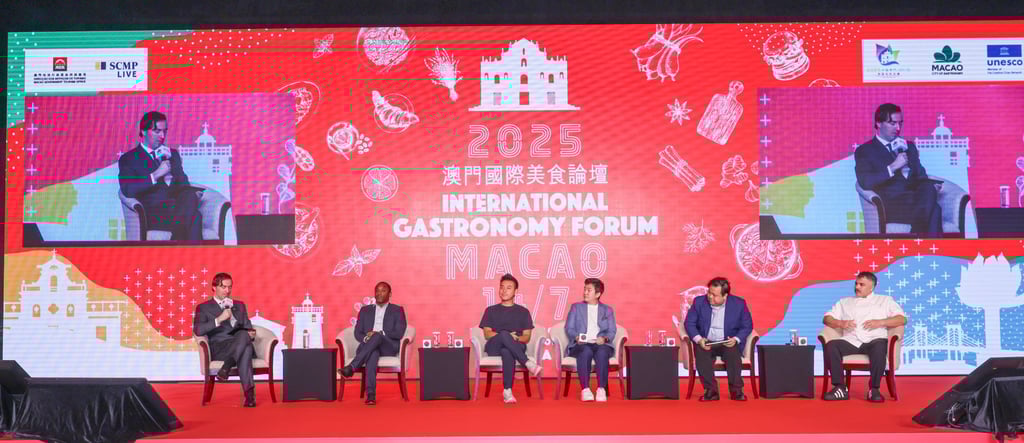
This culinary legacy took centre stage at the recent International Gastronomy Forum, Macao, which had the theme “The Spice of Life: Macao’s Culinary Connections”. Featuring two keynote speeches and three engaging panel discussions, the event explored the fascinating role of spices and herbs in worldwide cuisines.
Representatives, culinary professionals and industry leaders from more than 30 other Creative Cities of Gastronomy gathered at the forum, which took place July 14 at the Macau Fisherman’s Wharf Convention and Exhibition Centre and was jointly organised by the Macao Government Tourism Office (MGTO) and the South China Morning Post.
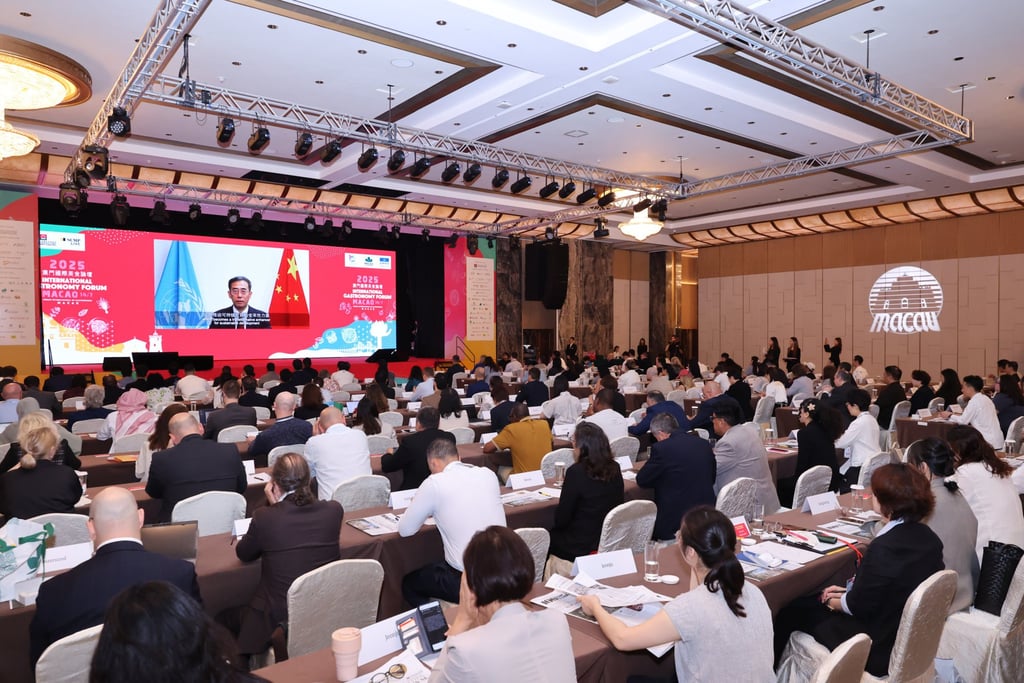
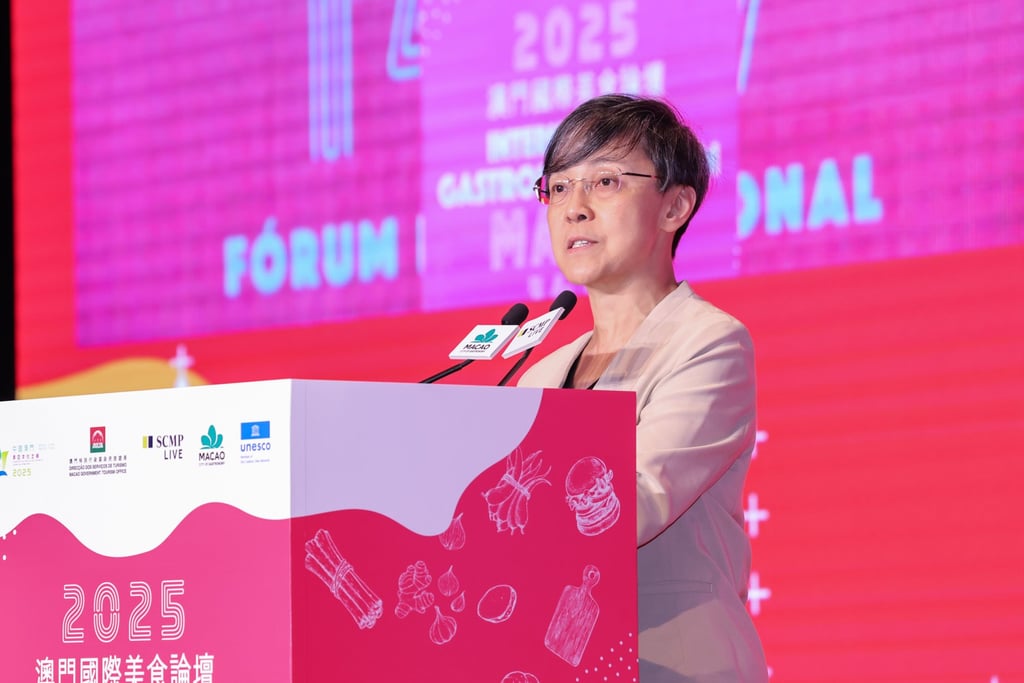
Welcoming remarks were given by Maria Helena de Senna Fernandes, director of MGTO, and Qin Changwei, secretary general of the Chinese National Commission for Unesco.
Noting that the forum is again being presented as part of the International Cities of Gastronomy Fest, Fernandes said: “We strive to share Macau’s unique gastronomic culture with the world, foster international exchange and steer our tourism towards sustainable development.”
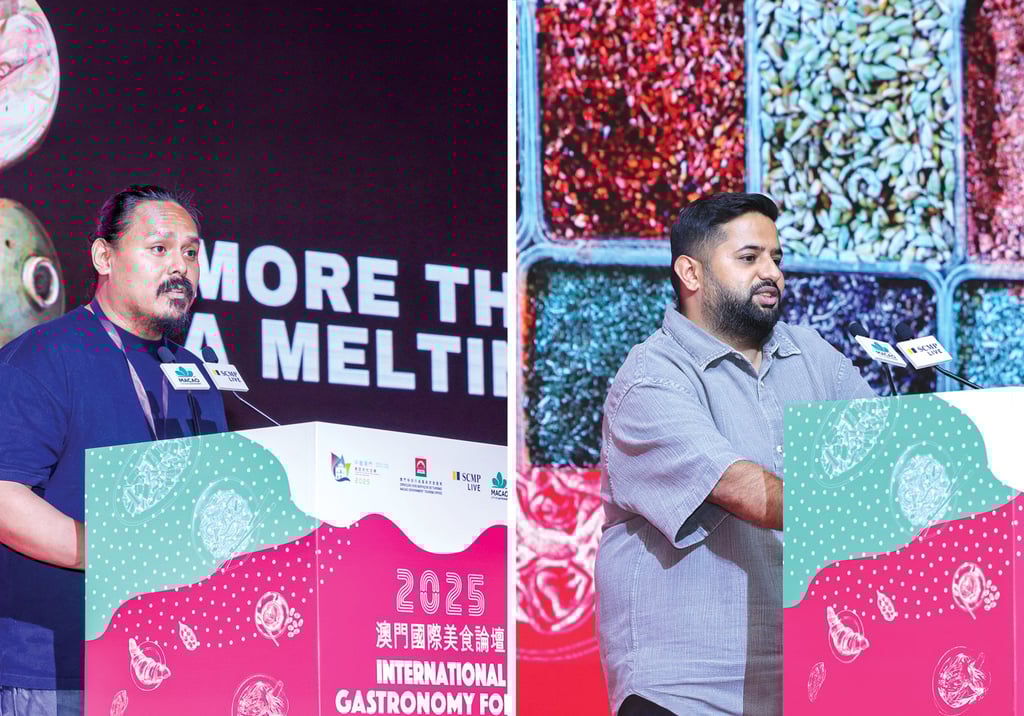
Two acclaimed chefs served as the event’s keynote speakers: Jordy Navarra, owner of Toyo Eatery in Manila, and Varun Totlani, head chef of Masque restaurant in Mumbai. In his speech, Navarra emphasised Macau’s culinary connections to the Philippines, highlighting the rich blend of cultural influences that shape its cuisine. Totlani talked about the dynamic relationship between spices and Indian cuisine, pointing out that no Indian dish relies on just a single spice, as unique spice blends are crafted in every household.