Chinatowns are often portrayed as gritty underworlds riddled with prostitution, gambling and drug trafficking. Some of this is rooted in truth, but that unfair depiction is largely the result of rampant xenophobia and cultural ignorance, especially in the West. In a series of articles, the Post explores the historical and social significance of major Chinatowns around the world and the communities that shape them.
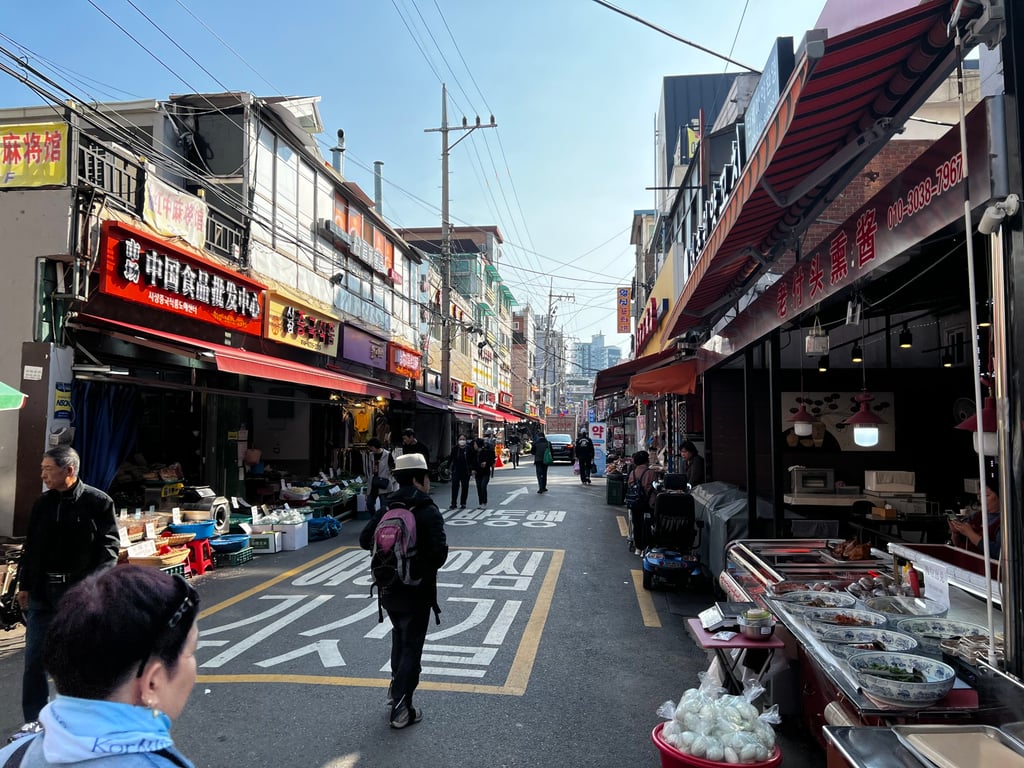
There are two Chinatowns of note in South Korea: one in Incheon, just outside Seoul, and one in Seoul’s Daerim neighbourhood.
Both not only tell the stories of Chinese migrants to Korea, but also the complex relationship between Korea and China over the past few centuries.
Incheon Chinatown is the country’s oldest Chinese enclave. Located in the city’s Jung district, it dates back to the late Joseon era (1392-1897), when Korea was still a tributary state of China.
In 1882, the Chinese sent troops to quell a political uprising in Seoul. The troops were accompanied by around 40 Chinese traders.